When you walk into Foundation Direct Family Care, it’s clear that every detail is meant to help patients feel at ease. From friendly staff to decor that feels more like a living room than a doctor’s office, the experience is curated for patients.
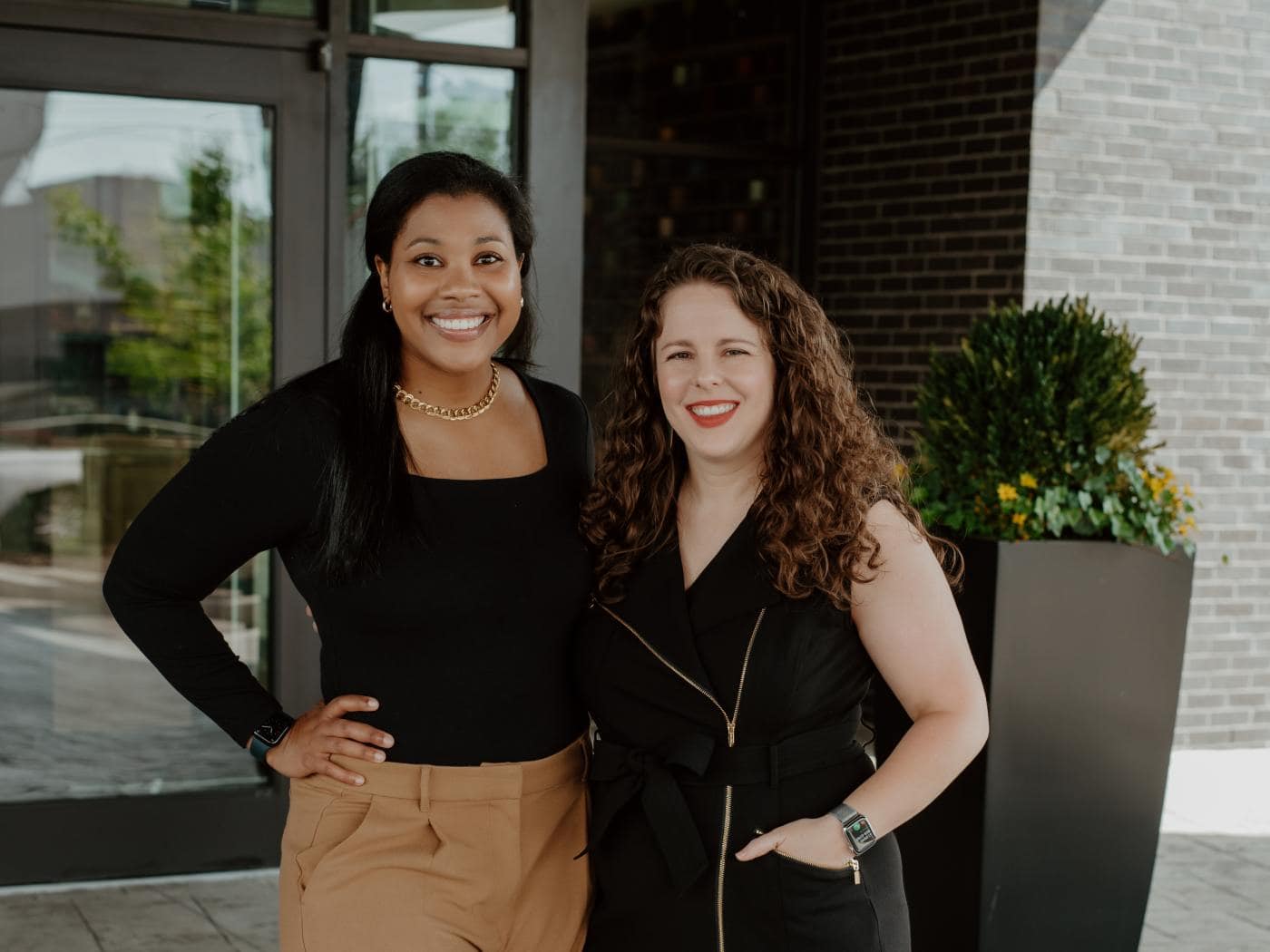
It’s hard to imagine that doctors and business partners Kayla Dziuba and Michelle Little also practice medicine at a nearby jail. The setting couldn’t be more different, but their philosophy doesn’t change: every person deserves dignity, compassion, and quality medical care. For Kayla and Michelle, wellness isn’t limited to those who can walk through their clinic doors; it’s a vision for an entire community, one that includes every neighbor, every circumstance, and every story.
Q: What is your role in providing medical care to incarcerated individuals?
Michelle: We provide primary care and urgent care services. Unless you have experienced [incarceration], you may not know that your insurance doesn’t work while you are in jail, but you have the right to healthcare while you are there.
Q: How did you get into this space?
Kayla: It was a complete accident.
Michelle: We started our practice during the pandemic. I woke up at 3 AM one morning and realized I needed to be bringing in more money. I got on LinkedIn and saw an ad to do contract work for a jail and applied for it. I couldn’t do the number of hours they needed so I asked if Kayla and I could split them. We did that until the practice was self-sufficient and then we transitioned out.
Q: What drew you back even after your practice was self-sufficient?
Michelle: My hope for correctional medicine is that the community gets more involved. As contract employees, we were never directly in touch with the decision makers. Starting our own business has allowed us to bring new ideas and ways of working, especially when it comes to mental health.
Kayla: Part of what I love about medicine is the creativity. Of course there are protocols and set guidelines you follow, but there are a lot of different ways to provide the right care for someone. Correctional medicine provides a different set of challenges, which makes it a really interesting part of the practice.
Starting our own business has allowed us to bring new ideas and ways of working, especially when it comes to mental health.
Q: What are the biggest surprises or lessons you’ve learned through your experience?
Michelle: I knew about the mental health crisis from out-patient work, but seeing it from the inside was really eye opening for me. You watch people who get treatment in jail and see how quickly they can thrive. We want to keep them doing well inside and once they’re out.
Kayla: The reputation for jail medicine is that these physicians aren’t the top of their class – something did not go right in their life for them to end up there. The fact that we care is surprising to a lot of the inmates. People are so appreciative and enjoy being spoken to like a human.
You can learn more about Dr. Dzuiba and Dr. Little at their website, daltonfdfc.com.